


The Ultimate Guide to Saunas: Types, Benefits, Sauna Hats, and How to Get the Most Out of Your Session
There’s more to sauna bathing than just sitting in the heat. From ancient wellness traditions to modern outdoor sauna experiences, saunas offer a relaxing way to unwind, reconnect with yourself, and build a restorative ritual into your routine.
Whether you’re considering your first sauna, upgrading your backyard wellness setup, or looking to make the most of your next session, this guide covers everything you need to know about sauna bathing—including the different types of saunas, their potential benefits, and why a sauna hat deserves a place in your wellness essentials.
What Is the Purpose of a Sauna?
A sauna is an enclosed space designed to expose the body to elevated temperatures for a period of time. Traditionally associated with Finnish culture, sauna bathing has been practiced for centuries as a way to relax, socialize, and enjoy the restorative effects of heat.
Today, sauna use is popular among wellness enthusiasts, athletes, outdoor adventurers, and people simply looking for a break from their busy schedules.
The purpose of a sauna goes beyond getting warm. A sauna session can become a dedicated time to slow down, step away from screens, relax your muscles, and focus on your well-being.
Whether you enjoy a quiet solo session or gather with friends and family, sauna bathing can be a simple ritual that makes relaxation a regular part of your lifestyle.
What Are the Different Types of Saunas?
Not all saunas create heat in the same way. Understanding the differences can help you choose the right experience for your preferences and lifestyle.
1. Traditional Finnish Saunas
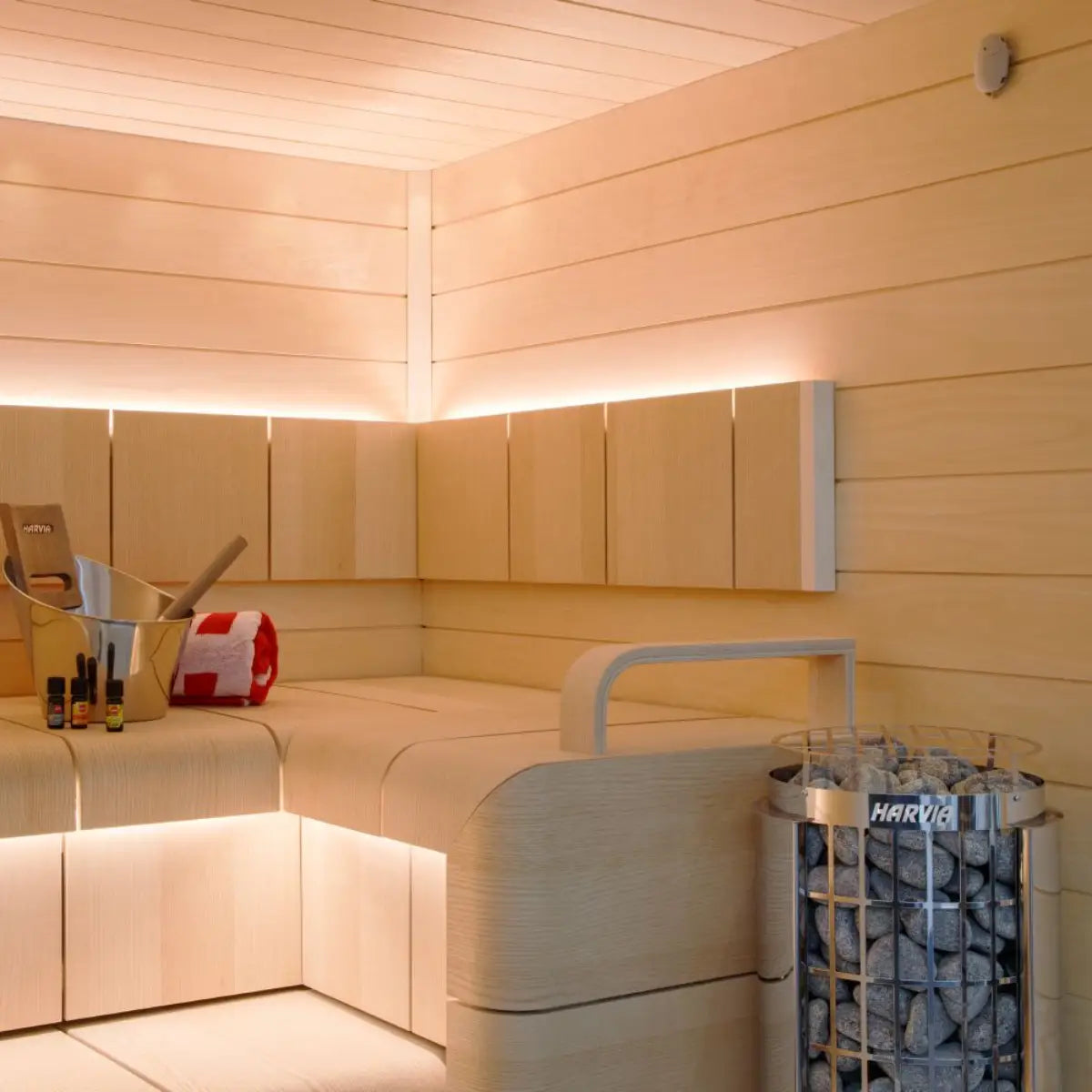
Traditional Finnish saunas use a heated stove with stones to warm the surrounding air. Water can be poured over the hot stones to create löyly, the burst of steam and heat that is an important part of the Finnish sauna experience.
These saunas typically operate at higher temperatures than infrared saunas and offer an immersive, enveloping heat.
Best for: People who enjoy traditional sauna bathing, intense warmth, and the classic hot-stone experience.
2. Infrared Saunas
Infrared saunas use infrared heaters to warm the body more directly rather than relying primarily on heating the surrounding air. They generally operate at lower air temperatures than traditional saunas.
Some people prefer infrared saunas because the environment can feel more approachable, particularly for those who find high-temperature traditional saunas uncomfortable.
Best for: Those who prefer a lower-temperature sauna experience.
3. Steam Rooms
Steam rooms are often grouped with saunas, but they create a different environment. They use moist heat and high humidity, while traditional saunas generally use much drier air, even when water is added to the stones.
Steam rooms may feel hotter or more intense to some people because of the humidity.
Best for: People who enjoy a warm, humid environment.
4. Outdoor and Portable Saunas
Outdoor saunas bring the sauna experience into your backyard, patio, or outdoor retreat. They can include traditional wood-fired or electric-heated structures, barrel saunas, and portable sauna tents.
Portable sauna tents offer a flexible option for people who want an outdoor wellness experience without committing to a permanent sauna building. Depending on the model, they can be set up for personal use, shared sessions, or wellness spaces.
Best for: Backyard wellness, outdoor enthusiasts, and people who want more flexibility in how and where they enjoy their sauna.
The best sauna is ultimately the one that fits your space, comfort level, budget, and wellness routine.
What Are the Benefits of Using a Sauna?
Sauna bathing has been studied for its potential effects on physical and mental well-being. Although research is promising in several areas, results vary, and sauna use should complement—not replace—medical care, exercise, sleep, and a balanced lifestyle.
Here are some of the most commonly discussed benefits.
1. Relaxation and Stress Relief
One of the biggest reasons people enjoy saunas is the opportunity to slow down.
The warmth, quiet environment, and break from everyday distractions can help create a relaxing experience. Making sauna time part of a consistent routine may also give you a dedicated opportunity to decompress after a demanding day.
Try leaving your phone outside, dimming the lights if appropriate, and focusing on your breathing rather than multitasking.
2. Muscle Relaxation and Post-Workout Comfort
Heat can temporarily increase circulation to the skin and may help ease feelings of muscle tension and stiffness.
Some people enjoy a sauna after physical activity because the warmth feels soothing and provides a relaxing transition into recovery.
However, a sauna does not replace adequate hydration, nutrition, sleep, or appropriate recovery time. Avoid entering a sauna immediately after intense exercise if you are overheated, dizzy, or dehydrated.
3. Cardiovascular Wellness
Sauna heat raises heart rate and causes blood vessels near the skin to widen, producing temporary changes in circulation and cardiovascular activity.
Observational research, particularly studies of regular Finnish sauna users, has found associations between frequent sauna bathing and certain cardiovascular health outcomes. However, these associations do not prove that sauna use alone causes those benefits.
If you have cardiovascular disease, uncontrolled blood pressure, or another medical condition that could affect heat tolerance, consult your healthcare professional before using a sauna.
4. A Better Wind-Down Routine
A sauna session can be a useful part of an evening routine, especially when paired with calming activities and consistent sleep habits.
Some people find that they feel more relaxed after sauna bathing, which may help them transition into bedtime. Individual experiences vary, so pay attention to how your body responds and avoid sessions that leave you overheated or uncomfortable.
5. A Dedicated Mental Reset
Wellness is not only physical. Setting aside time to disconnect from work, social media, and daily responsibilities can be valuable in its own right.
Sauna bathing can provide a quiet space for reflection, mindfulness, or simply enjoying a few uninterrupted minutes.
6. Social Connection
Saunas have long served as places for people to gather. Sharing a session with friends or family can turn a wellness practice into a social ritual.
An outdoor sauna can be a particularly enjoyable addition to a backyard gathering, retreat, or post-adventure wind-down.
A quick reminder: Sweating is your body's natural cooling mechanism. It does not mean you are detoxing in a special way, and temporary weight loss from a sauna is primarily fluid loss—not body fat loss.
What Is a Sauna Hat?
A sauna hat is a specially designed head covering worn during sauna sessions. Traditional sauna hats are often made from wool or felt, materials valued for their insulating properties.
Although sauna hats may look unusual if you have never used one, they serve a practical purpose: helping moderate how quickly heat reaches your head and scalp.
Your head can feel uncomfortably hot during a sauna session, particularly in a high-temperature traditional sauna. A sauna hat provides an insulating layer that may help make the experience more comfortable.
Sauna hats are also a familiar part of traditional sauna culture and have become a recognizable accessory for modern sauna enthusiasts.
Why Wear a Sauna Hat?
1. Help Manage Heat Around Your Head
Wool and felt provide insulation, helping slow heat transfer between the hot sauna environment and your head.
This can make the experience feel more comfortable, especially during longer sessions or in higher-temperature saunas. A hat does not prevent overheating, however, and should never be used as a reason to stay in the sauna longer than feels safe.
2. Support a More Comfortable Sauna Experience
Some people notice that their head and ears feel hot before the rest of their body feels ready to leave the sauna. A sauna hat may help reduce that sensation and make the heat feel more manageable.
Comfort varies by person, material, sauna temperature, and fit.
3. Add a Layer of Hair Protection
Sauna hats may reduce direct exposure of the hair and scalp to the hot air. This can be useful for people who are concerned about heat-related dryness or brittleness.
However, a sauna hat does not guarantee protection against hair damage, and it does not prevent scalp overheating. Hair and scalp care still matter, particularly with repeated heat exposure.
4. Bring Tradition Into Your Routine
Sauna hats are part of a long-standing sauna tradition, particularly in regions where regular sauna bathing is common.
Today, they combine function with personal style. From simple felt designs to playful shapes, sauna hats let you personalize your session while embracing sauna culture.
How to Use a Sauna Hat
Using a sauna hat is simple, whether you are a beginner or an experienced sauna enthusiast.
-
Choose the right material. Wool or felt is a popular choice because of its insulating properties.
-
Put it on before entering. Make sure the hat fits comfortably without feeling tight.
-
Keep it on while you enjoy the heat. Pay attention to your overall comfort rather than relying on the hat to judge how hot you are.
-
Take breaks when needed. If you feel dizzy, weak, nauseated, confused, or unusually uncomfortable, leave the sauna and cool down.
-
Care for your hat. Follow the manufacturer's cleaning and drying instructions, and allow it to dry completely between uses.
A sauna hat is an accessory, not protective equipment. It does not eliminate the risks of excessive heat exposure, and it should never override your body's warning signs.
How Long Should You Stay in a Sauna?
If you are new to sauna bathing, start with a short session—around 5 to 10 minutes—and see how you feel. You can gradually adjust your routine based on your comfort and tolerance.
Experienced users may prefer longer sessions, but there is no universal duration that works for everyone. Temperature, humidity, hydration, medications, and individual health all influence heat tolerance.
For a safer experience:
-
Drink water before and after your session.
-
Avoid alcohol before or during sauna use.
-
Leave immediately if you feel faint, dizzy, nauseated, confused, or unwell.
-
Allow time to cool down between sessions.
-
Avoid sauna use when you are dehydrated, acutely ill, or already overheated.
-
Ask a healthcare professional about sauna use if you are pregnant, have a medical condition affecting heat tolerance, or take medication that affects hydration, blood pressure, or sweating.
Always follow the sauna manufacturer's operating instructions and any recommended temperature limits.
How to Get the Most Out of Your Sauna Session
A great sauna experience does not need to be complicated. A few thoughtful habits can make your routine more enjoyable.
Hydrate before and after. You lose fluid through sweating, so replace it with water. If you sweat heavily or spend an extended period in the heat, your hydration needs may be higher.
Create a comfortable atmosphere. Keep your sauna area clean and uncluttered. Choose a setting that encourages you to slow down and relax.
Bring the right accessories. A towel, drinking water outside the sauna, and a well-fitting sauna hat can make your experience more comfortable.
Listen to your body. You do not need to push through discomfort to get value from a sauna session. Shorter, comfortable sessions are preferable to staying too long.
Make it a routine you enjoy. Whether you use your sauna after a walk, on a quiet weekend morning, or as part of an evening wind-down, consistency should feel sustainable rather than demanding.
Is a Sauna Right for You?
For many healthy adults, sauna bathing can be an enjoyable addition to a wellness routine. However, heat exposure is not appropriate for everyone in every circumstance.
People with certain heart conditions, blood pressure concerns, impaired temperature regulation, or conditions that increase dehydration risk should seek medical advice before sauna use. Pregnant individuals should also consult their healthcare professional about avoiding overheating.
Children require additional caution and close supervision, and sauna use should follow age-appropriate medical guidance and the manufacturer's recommendations.
Most importantly, remember that you do not need to tolerate extreme heat or stay in a sauna for a specific amount of time to enjoy the experience.
Bring the Sauna Experience Home With All Day Sauna Co.
Creating a wellness ritual at home can be as simple as setting aside time to slow down and enjoy the warmth.
With an outdoor sauna setup, you can bring that experience into your own backyard and create a space for relaxation, post-adventure unwinding, or quality time with the people you love.
And if you want to complete your sauna setup, a sauna hat is a practical accessory worth considering. Designed to help moderate heat around your head, it combines traditional sauna culture with everyday comfort.
Whether you are building your first home sauna experience or refining a routine you already love, the right setup and accessories can help make each session feel more intentional.
Explore All Day Sauna Co. to discover products designed to help you make the most of your outdoor sauna experience.
Final Thoughts
Saunas offer more than a warm place to sit. They create an opportunity to slow down, relax, and build a meaningful wellness ritual into everyday life.
From traditional Finnish saunas and infrared models to portable outdoor setups, there is an option for a wide range of lifestyles. Understanding the potential benefits, respecting your body's limits, and choosing useful accessories—like a wool or felt sauna hat—can help you enjoy the experience more comfortably.
Start slowly, stay hydrated, and make your sauna routine your own.
Ready to create your own outdoor sauna ritual? Explore All Day Sauna Co. and find the essentials for your next session.
Share:
Why What You Wear in the Sauna Matters (And Meet Our New Sauna Shorts with NADS)